Making the Right Choice for Your Delaware Home or Building
Spray foam insulation is one of the most effective ways to seal and insulate your Delaware home or building. It starts as a liquid and expands on contact to fill the small cracks and gaps in your building envelope. This creates a continuous barrier that helps block air, moisture, and heat. There are two main types of spray foam: open-cell and closed-cell. Each offers different advantages, depending on where and how it’s used.
All About Open-Cell
Spray Foam
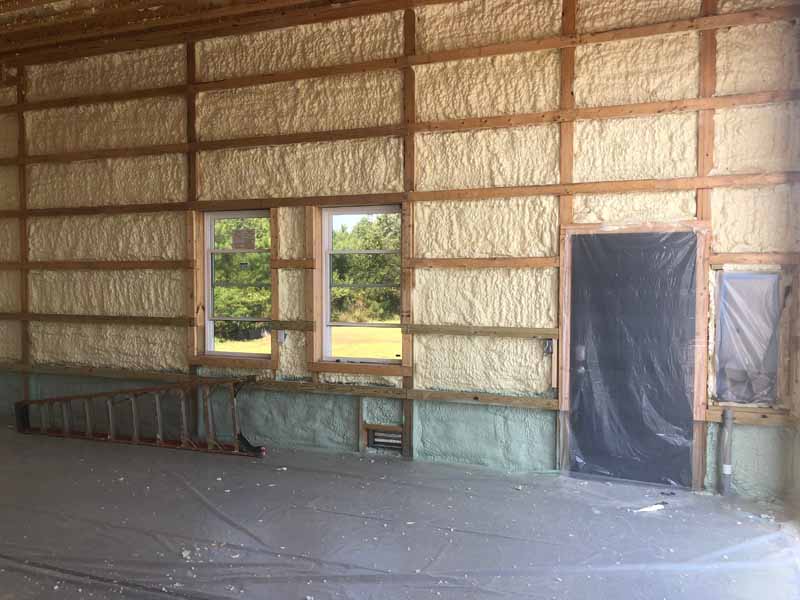
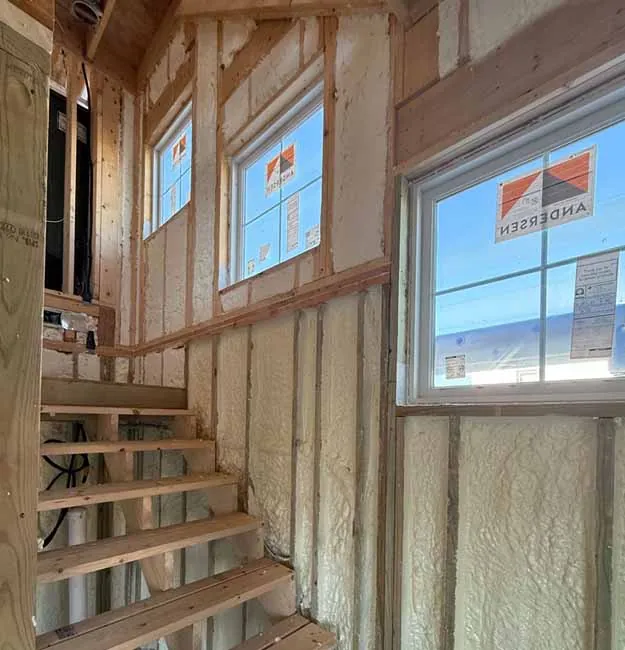
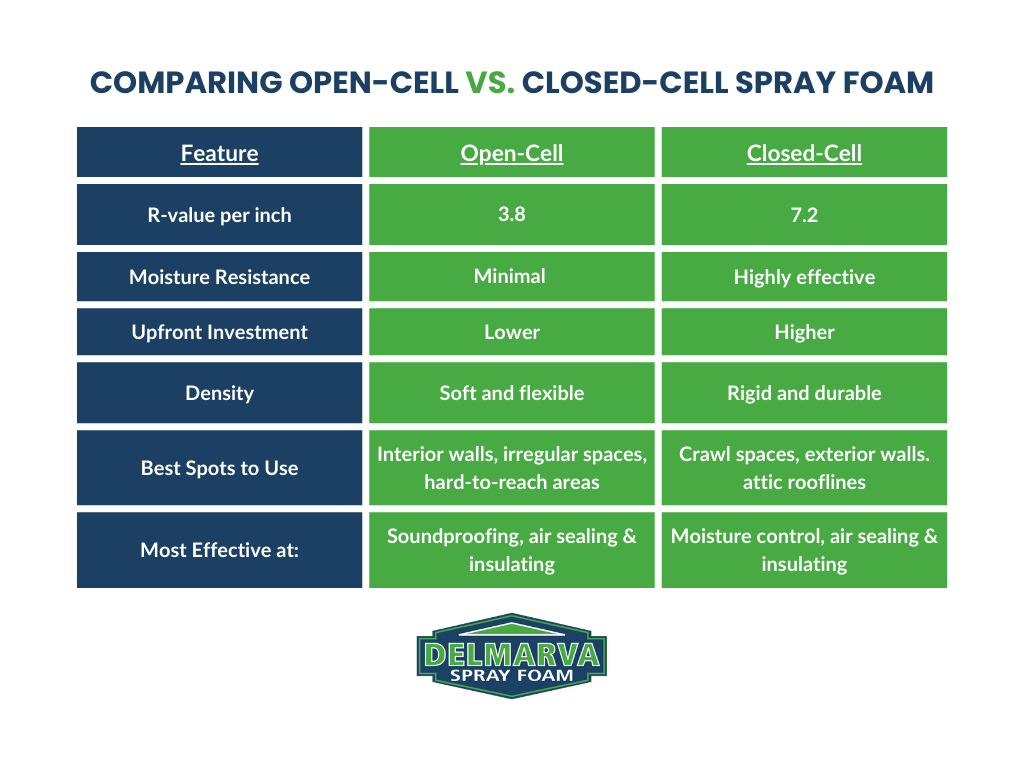
Open-cell spray foam is lighter and softer than its closed-cell counterpart. It’s made with cells that are not completely sealed, leaving tiny pockets of air that give it a flexible, spongy feel. This type of spray foam has an R-value of 3.8 per inch, providing good insulation performance. It also has a smaller upfront cost commitment than closed-cell foam. This makes it a popular option for many homeowners and builders.
Open-cell spray foam is excellent at reducing sound and filling large cavities, making it a great fit for interior walls. However, because it can absorb moisture, it’s not recommended for below-grade applications, like basements or crawl spaces with high moisture levels.
The Details about Closed-Cell Spray Foam
Closed-cell spray foam is denser and more rigid than open-cell. Its tightly packed cells are filled with gas, which helps the foam expand and boost its insulating power. This type of foam has a higher R-value of 7.2 per inch, which means it does a better job at resisting heat flow.
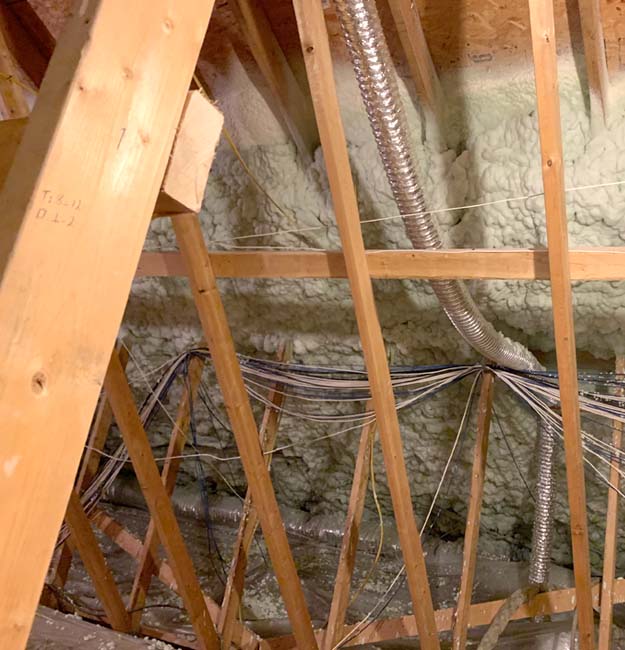
Closed-cell foam also acts as a moisture barrier and adds structural strength to the surfaces it’s applied to. This makes it ideal for exterior walls, crawl spaces, and attic rooflines, especially in areas where moisture control is critical. While it comes with a higher upfront cost commitment, its long-term energy savings and durability make it a wise investment.
Choosing the Best Spray Foam
for Delaware’s Climate
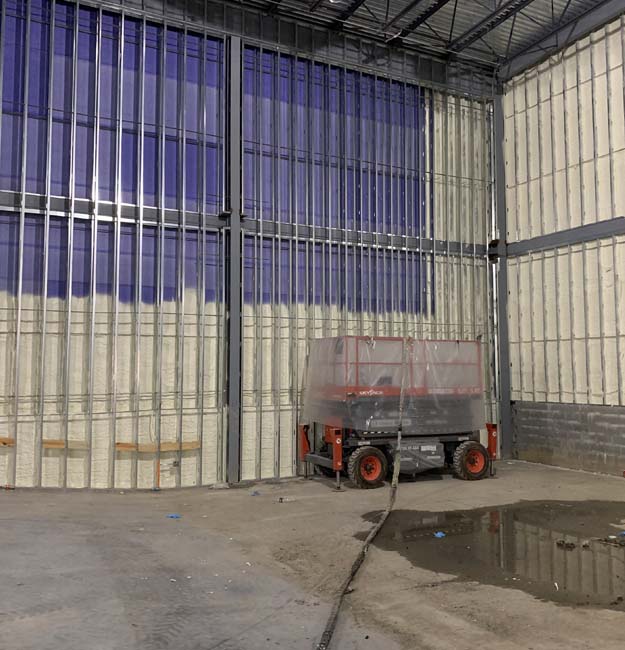
Our state’s mixed humid climate means homes and buildings face hot, humid summers and cold, sometimes damp winters. This makes proper insulation essential, especially in areas like attic rooflines, crawl spaces, and exterior walls.
Get Expert Help Selecting the Right Insulation
Both types of spray foam insulation offer airtight sealing and effective insulation protection, but they perform differently in key areas. If you’re unsure which option is right for your home, our expert team at Delmarva Spray Foam can help you make the best choice based on your goals and budget.
Count on Delmarva Spray Foam
for Trusted Results
Since 2002, Delmarva Spray Foam has been helping homeowners, builders, and contractors across Delaware insulate homes, businesses, and custom projects. We install spray foam in new construction, existing homes, and commercial buildings throughout our local community. Our experienced team will provide tailored insulation solutions for your project and guarantee it’s completed safely and efficiently. We go above and beyond to ensure your home or building is insulated right the first time for maximum savings and comfort. Contact us today for a free estimate and to learn more about the best spray foam options for your Delaware home or building project.